I was sent this message today from a concerned citizen... I will take the time to address the statements below.
I went through quite a few of your posts and read a bit about who you are. I appreciate your position on the industry as you have been involved in the operations your entire life as it was your family business.
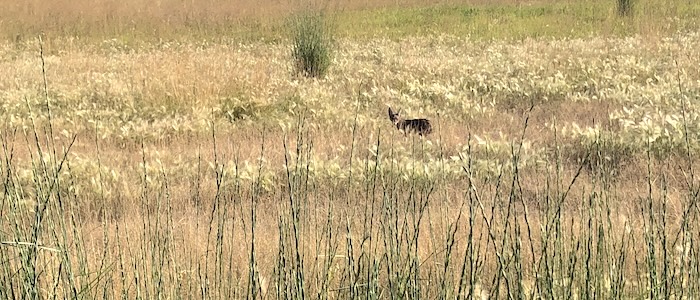
The main image picture on your site is lovely. I see that you mention the cattle are not from your farm. I think that most people get a similar image mentally when they think about the beef industry. As with any business in America today however, the bottom line rules. This picture seems quite unrealistic to me, as there are 6 cattle pictured grazing on acres of lush green land. Would you agree that this is not typical of current farm in the doing business in beef?
What are your thoughts on the "certified humane" standards and does your ranch participate?
You say that when you send the cattle you raise to be "processed" that you know they will be treated well. How is it that you know this and along those lines, can you please enlighten us with footage of what really happens, from your perspective? There are many documented videos of inhumane practices and horrific happenings at processing plants, but I am hard pressed to find opposing proof. As you know, people like to see for themselves, so hopefully you can provide some links or other footage portraying the facts as you know them.
Sorry I have so many questions right off the bat. I look forward to any answers you can provide. -Cyrta, Consumorality
First off, thank you so much for your questions and concerns. I hope to be able to answer them fully and to the best of my abilities. To start, yes, I grew up on a cattle ranch where my family and I raise purebred Limousin cattle. We are the start of the pasture to plate process. We sell seedstock for cow-calf producers. Next, cattle go to stocker operations or feedlots, where they are finished on grain, until they move to a processer where they are harvested and sent to retailers.
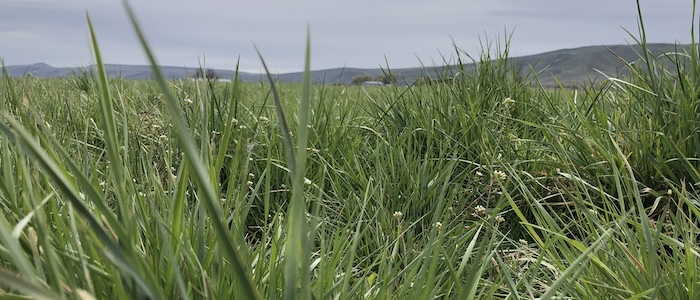
No, the picture on my site isn't of my operation. I chose it, simply, because I thought it looked nice as a banner across my screen. The heifer in the other picture, along with those found in my gallery are of my real cattle. This may be the "Ideal" picture of the beef industry, but it is also accurate. Cow-calf producers utilize land that can't be urbanized or used for crop production. If not for cattle production, half of our country would go to waste. Of course, realistically, there is not enough pasture land to substain livestock year round, and that is where grain and feedlots are an efficient source to raise beef cattle. While it is something that is criticized by many, it is not only an efficient way of beef production, but it is also a balanced diet for the livestock. To me, providing the optimal health care along with the proper nutrients for livestock is the best life I can give to the cattle I love. Other images of the beef industry fluctuate in different phases of production, but for my family and I, a lush pasture is definitely what we provide our cattle in the spring and summertime.
I had never heard of the Certified Humane site you speak of, and upon checking out the website, it seems like a good one. Also, I notice some of the organizations presented on the website are not exactly fans of animal agriculture, and through legislation, would like to see all animals free and liberated. I'm not sure that is credible or wise. I don't feel cattle ranchers need to be certified into this organization in order to follow best animal handling practices for livestock production. Livestock production is more than a business, its a passion. You have to truly love the cattle to be involved in this industry. For my family and I, as well as the rest of the cattle producers I know, using best animal handling practices is smart, its safe, and it shows love for the cattle we raise.
I'm sorry that you may have the wrong perception of the beef industry based on footage of mistreatment of livestock. This saddens me deeply, and I have an incredibly hard time viewing these videos as I can't even imagine what kind of person could treat an animal in such a manner. Of course, with anything, there are bad apples; it doesn't describe the whole basket though. Although I don't have footage of the harvesting of an animal, I have seen it first-hand. I work at the South Dakota State University's meat lab, and there is a viewing room that is open to the public for anyone that wishes to watch the process. Perhaps you would like to meet to come and watch? Also, I'm on the SDSU Meats Judging Team where I spend hours on end in a packing plant. The cattle are treated with care and respect, and they are processed in a manner that gives meaning to their life.
Cattle touch our lives on an everday basis, whether its meat products or byproducts such as makeup, crayons, stearic acid for our tires, antifreeze, insulin, or blood factors. The possibilities are endless.
I know that we may not agree on everything, and I have an idea that we may have very different ideas on this topic. I sincerely hope you can tell I write from the heart. I'm not on a secret agenda, and I'm not working for anyone. I'm a cattle producer, a farm girl, and a grown adult that hopes to dedicate my life to agriculture. Feeding the world is one of the best callings in life one can partake in. I'm so proud to be a part of this industry, and my heart and soul is truly in the beef cattle industry. I hope that you will present any other questions as they come up, and I'm honestly thankful for your questions.
From my heart to yours, always putting agriculture first,
Amanda